


So you’ve been paddling for a while and fancy entering a few local SUP races.
You’re now entering the minefield which is choosing the best possible board for your recreational or competitive sup racing needs. Fast but not too tippy !
SUP racing is growing in the U.K there is no doubt . local clubs, shops and centres are all providing different stand up paddle racing disciplines for their customers from chop to ocean swell , flat water to beach races.
Some event organisers are trying to combine some of these elements in one race so the variety of conditions attracts racers who don’t like specific disciplines such as flat water.
All these elements can be categorised into three SUP race elements
Flat water (mirror calm – rough)
Technical (choppy rough conditions with waves)
Downwind ( windy conditions)
For many top racers board choice at these events is key to giving them their competitive edge on the water as as well as their own race tactics and fitness.
The different components of the board listed below can change and therefore a board which is great for paddling on flat water might be difficult to stand on in choppy water. Therefore deciding on the best board your likely to use and where is an important decision.
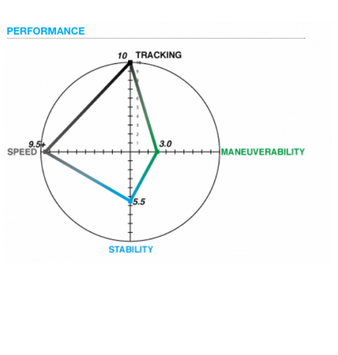
board comparison chart
Below we list a summary of factors which you will have to consider to pick out the best board for your needs.
Width – The width of the board will reflect its stability rail to rail in the water – therefore a wider board of 30″ will be easier to paddle on than a narrower board of 25″ or less. However a narrow board will paddle much faster.
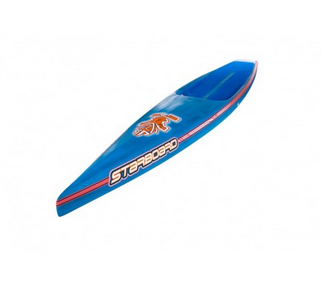
Volume – The Volume will reflect how high the board floats on the water , higher volume means a board which simply pops over the chop.
Length – In mainstream SUP racing there are really only 2 choices – 12’6 or 14′ , but you can enter unlimited races which allow board over these lengths.
Rocker line – a board with a flatter rocker will mean it paddles lower in the water and therefore offers a faster more hydro dynamical paddling speed versus a board with increased rocker which usually benefits from being in choppier or wavey conditions.
Speed – The overall speed of the board is a combination of the boards width (narrower means faster ) and the volume efficiency (is the board best suited to your weight)
Efficiency – The benefit of a narrower board means less friction through the water and enables the paddler to engage each paddle stroke closer to the board and therefore more efficient power transfer.
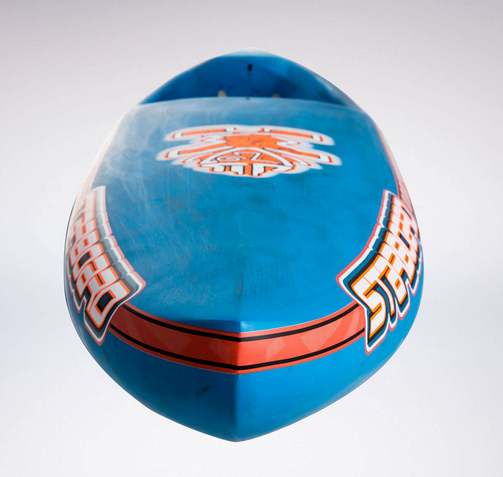
Upwind /Downwind – Most SUP boards will paddle downwind easily with your body acting like a sail to the prevailing wind – race style boards with their piercing style bow noses will also punch through chop preventing nose diving , flat water orientated boards tend to have sharper noses and tails. Ocean boards designed for choppy seas and waves tend to have more rounded rails and bows which are more forgiving to being rolled around by waves or chop.
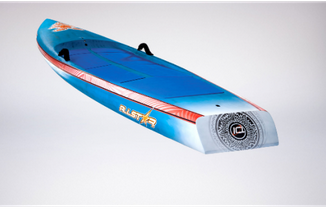
Deckline – to give more stability to a boards sometimes narrow width some brands offer recessed decks which lower your centre of gravity and enable you to lock each foot against the boards sidewall.
Give us a call if you want to discuss Racing or Touring boards – 01792 446511


Leave a Reply